Operational
Continuity.
One institutional record connects intake, handoff, verification, and final return across the teams already involved.
Software-first by design. Optional carriers only where they improve the workflow.
01. Institutional Record
Software-First Identity Layer
ONE RECORD:
OPTIONAL CARRIERS
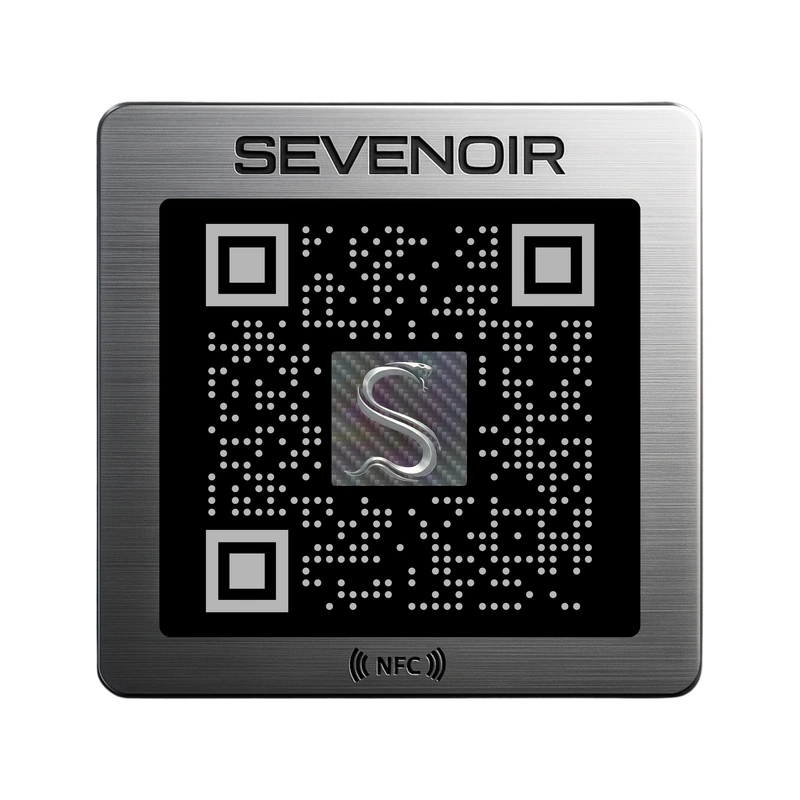
The product begins with an institutional item record. QR or NFC can act as optional access points where useful, but the workflow does not depend on a metal tag or specialized reader infrastructure.
02. Routing & Verification
Institutional Lifecycle Layer
Shared Context.
Verified Release.
A lifecycle layer intended to keep item context intact as responsibility moves, then support a careful claim check and recorded release or return.
03. Lifecycle Workflow
Record · Route · Verify / Return
ITEM RECORD
RESPONSIBILITY ROUTING
VERIFY & RETURN
Staff Utility
Operational Interface
Existing
Operational Rhythm.
The workflow is intended to fit the desks and custodians already involved in recovery. Institutions can begin with ordinary staff interfaces and add optional carriers only where they improve the operation.
- Workflow
- Desk-led intake
- Deployment start
- Existing staff workflow
- Interface goal
- Minimum operational friction
Illustrative Staff Interface
Continuous
Lifecycle History.
Every handoff, verification step, and final resolution remains connected to the same institutional item record.
Responsibility Clarity
A visible handoff history can make current responsibility easier for staff to understand.
Selective Verification Architecture
Verification should expose only the operational information required for responsible release.
Future Compatibility
Designed to extend across compatible institutional handoffs as the system evolves.
Institutional Operating Model
Model · institutional workflow states
Discuss
The Workflow.
Explore how one item record can support visible responsibility, claim verification, and a recorded release or return in your operational environment.