Record
Identity layer
Institutional Record
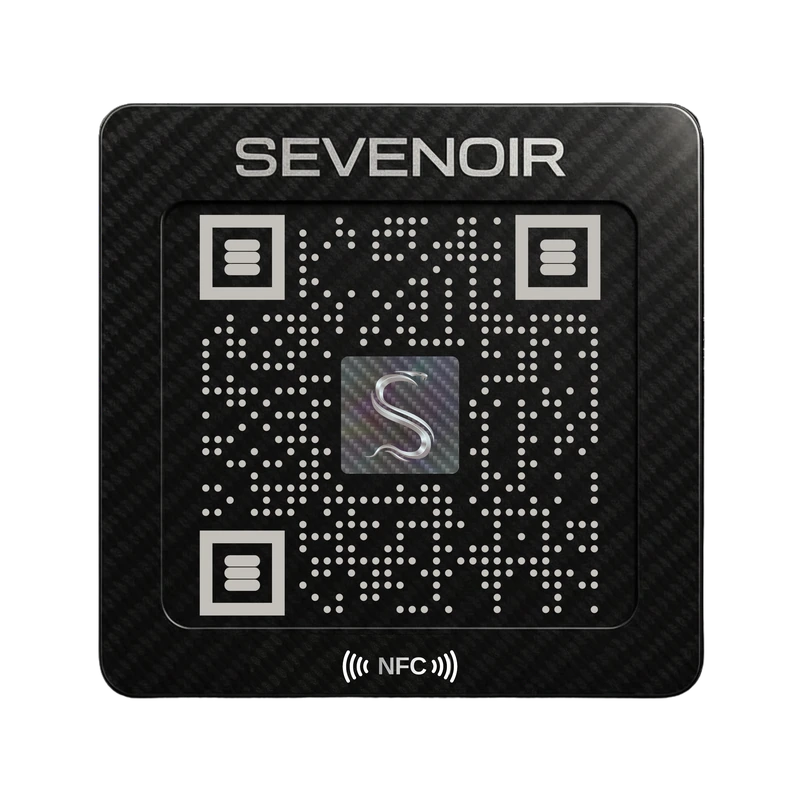
A found item receives one institutional record that stays with its recovery lifecycle.
Sevenoir
One institutional record keeps a physical belonging identifiable as it moves between people, desks, and systems. Starting with university campuses.
Physical belongings lose continuity when they move between people, desks, systems, and institutions. Without one institutional record, intake, responsibility, verification, and final release can become separate fragments.
The item moved.
Its institutional record
did not.
When responsibility is unclear,
recovery becomes
guesswork.
Moving from fragmented intake to one record across recovery and handoff.
Different desks can begin from different records for the same found item.
Responsibility becomes ambiguous when a transfer is not recorded.
Ownership and claim checks happen outside one shared lifecycle.
Release or return can be separated from the original intake record.
A found item receives one institutional record.
Responsibility is routed across the relevant desks in the same lifecycle.
Ownership or a claim is verified before release.
The final release or return is recorded in the same lifecycle.
One institutional record carries a found item through routing, verification, and a recorded release or return.
A found item receives one institutional record that stays with its recovery lifecycle.
Responsibility can move between relevant desks or custodians within the same lifecycle.
Ownership or a claim is verified, and final release or return is recorded in the same lifecycle.
Create one institutional record for the found item.
Route responsibility between relevant desks or custodians.
Verify ownership or the claim before release.
Confirm release or return in the same lifecycle.
Illustrative workflow contexts, starting with university campuses.
Create the institutional record at the first point of receipt.
Route responsibility when an item moves between authorized desks.
Keep intake, verification, and return in one recorded lifecycle.
Continue the record when custody moves across shifts or locations.
Route found belongings from operational teams to the relevant desk.
Coordinate recovery activity across institutional service points.
Maintain one record through short-lived, high-traffic operations.
Verify ownership or a claim before release or return is recorded.
Start a conversation about identity, recovery, and handoff workflows in institutional environments.